Top 5 Myths About Dock Maintenance Debunked


Understanding Dock Maintenance
Maintaining a dock is crucial for ensuring its longevity and safety. However, various myths about dock maintenance can lead to unnecessary expenses or neglected care. In this post, we debunk the top five myths, helping you make informed decisions about your dock.
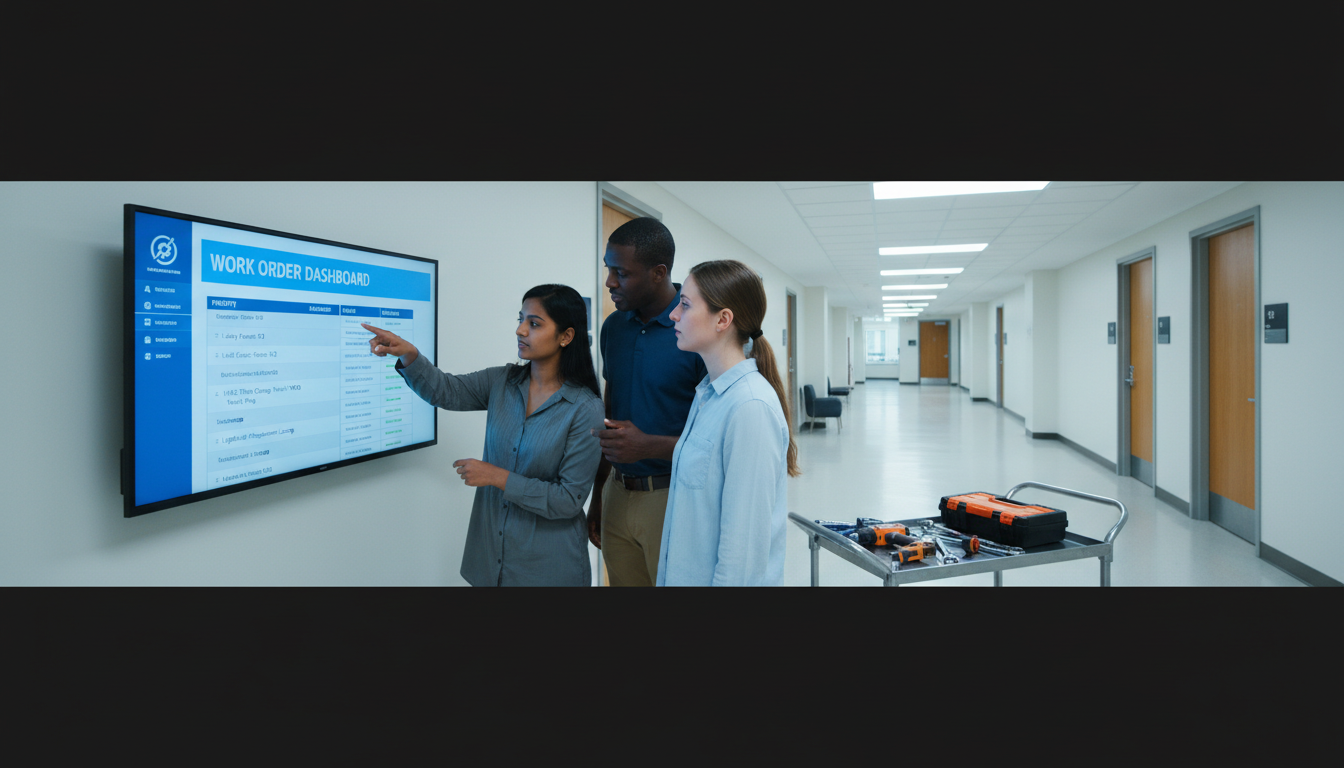
Myth 1: Docks Require Constant Repairs
One common misconception is that docks need constant repairs. While regular maintenance is essential, a well-constructed dock made from durable materials can last for years with minimal repairs. Routine checks can help identify potential problems early, preventing costly fixes later on.
Regular Inspections
Regular inspections are key to catching issues before they escalate. Look for signs of wear and tear such as loose boards or rusted hardware. By addressing these issues promptly, you can avoid frequent repairs.
Myth 2: Pressure Washing is Always Safe
Pressure washing is often thought to be a safe cleaning method for docks. However, using high pressure can damage wood surfaces, stripping away the protective layers and leading to faster deterioration.
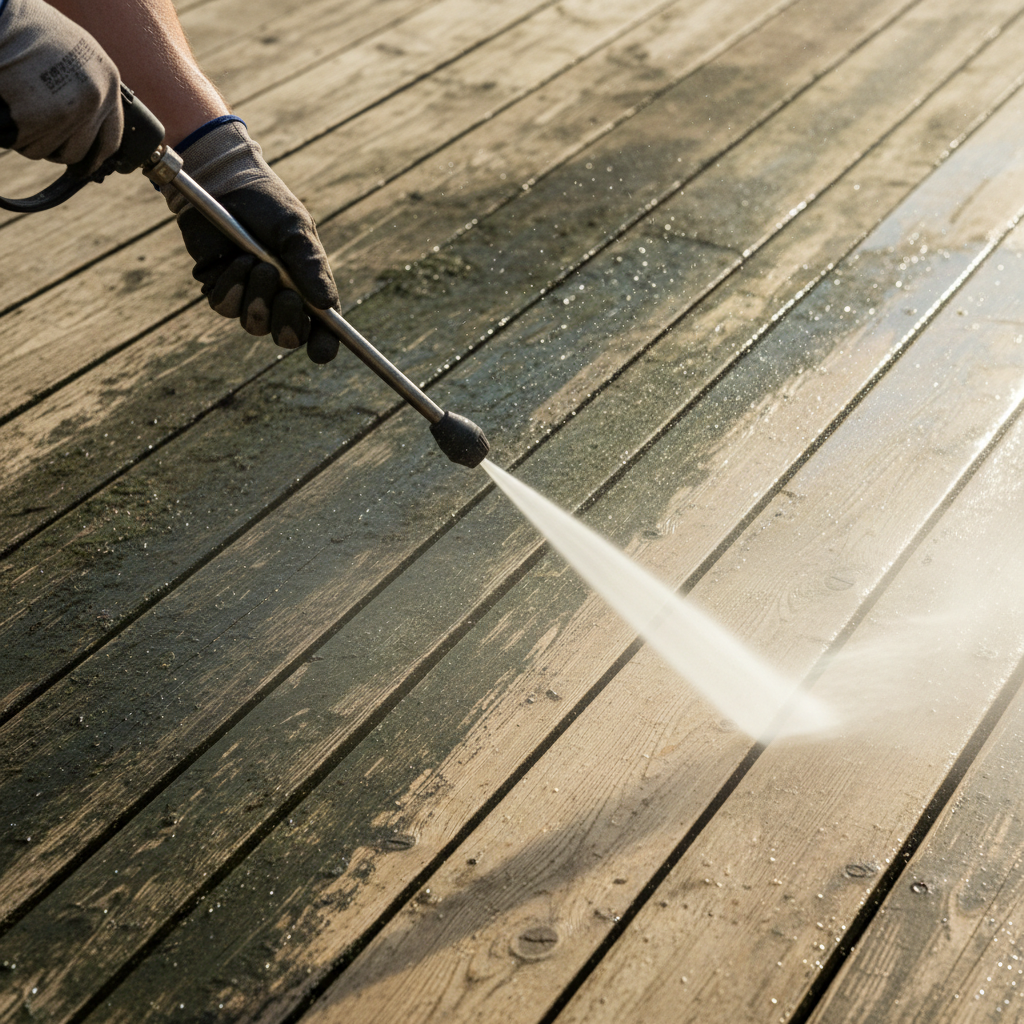
Alternative Cleaning Methods
Opt for gentler cleaning methods, such as using a soft brush and mild detergent. This approach not only protects the dock’s surface but also ensures a thorough clean without risking damage.
Myth 3: All Dock Materials are the Same
Not all dock materials offer the same durability and maintenance needs. Choosing the right material depends on environmental factors and usage. For instance, wood offers a classic look but requires more upkeep compared to materials like aluminum or composite.
Material Selection
Consider factors such as water conditions, climate, and intended use when selecting dock materials. Each material has its pros and cons, and the right choice can significantly reduce maintenance efforts.

Myth 4: Winterizing is Unnecessary
Some believe that docks do not need winterizing, especially in milder climates. However, winterizing is crucial to protect against potential damage from ice and cold weather, regardless of location.
Steps for Winterizing
Proper winterizing includes removing or securing any movable parts, inspecting for damage, and ensuring the dock is free from debris. These steps help extend the dock’s lifespan through the colder months.
Myth 5: DIY Repairs are Always Cheaper
While DIY repairs might seem cost-effective, they can lead to more significant issues if not done correctly. Professional maintenance ensures repairs are done properly, saving money in the long run.
When to Call a Professional
If you notice structural damage or are unsure about the repair process, it’s best to consult a professional. Their expertise can prevent small issues from turning into major repairs.
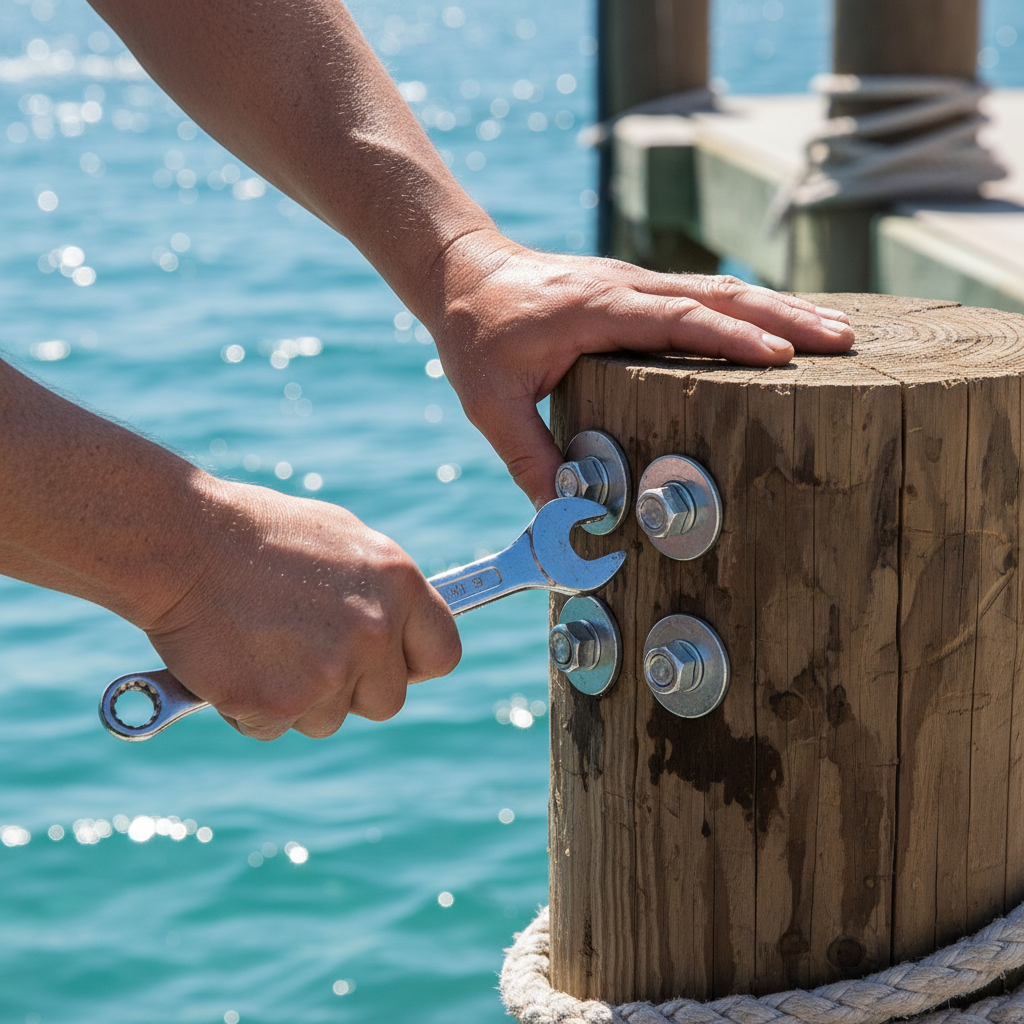
By understanding and debunking these myths, you can better maintain your dock, ensuring it remains safe and functional for years to come. Regular maintenance, informed material choices, and knowing when to seek professional help are key to effective dock care.