Floating Docks vs. Fixed Docks: Which is Best for Simcoe County?


Understanding Floating Docks
Floating docks are versatile structures that adapt to changing water levels. These docks are constructed to float on the surface, making them ideal for environments with fluctuating tides or water levels. In Simcoe County, where water conditions can vary, a floating dock offers flexibility and ease of use.
One of the primary benefits of floating docks is their ability to adjust automatically to water level changes. This means less maintenance and fewer adjustments needed throughout the year. For water enthusiasts in Simcoe County, this can be a significant advantage, especially in areas prone to seasonal changes.
Exploring Fixed Docks
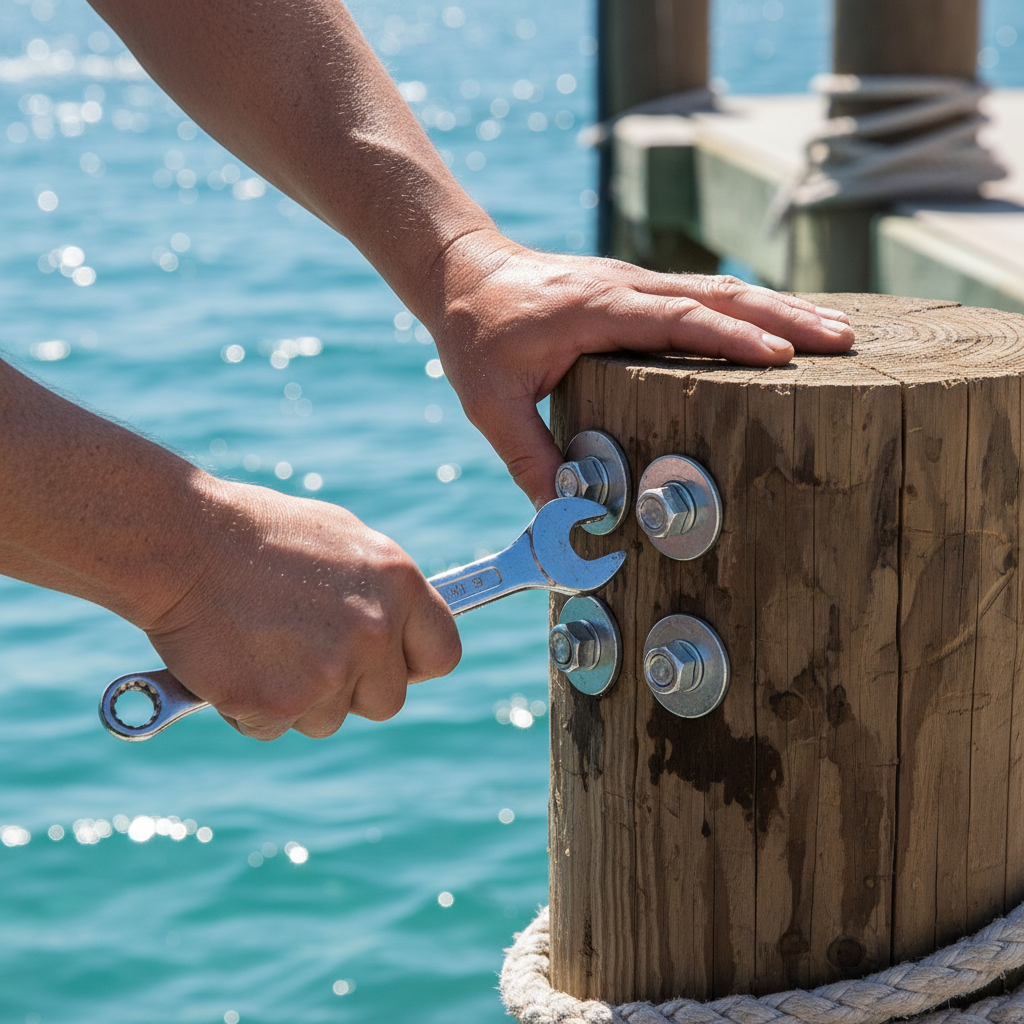
Fixed docks, on the other hand, are stationary structures anchored to the lakebed or riverbed. These docks offer a stable and permanent solution, which can be beneficial in areas with consistent water levels. For property owners who prioritize stability and long-term durability, fixed docks are a strong contender.
Fixed docks are built to withstand various weather conditions, providing a reliable and sturdy platform for years. However, they require careful planning and construction to ensure they are installed correctly and safely. This can mean higher initial costs but potentially less upkeep in stable water environments.

Comparing Costs and Maintenance
When it comes to cost, floating docks often have a lower initial price compared to fixed docks. The installation process is generally simpler, which reduces labor costs. However, ongoing maintenance might be required to ensure they remain securely anchored and in good condition.
Fixed docks, while more expensive upfront due to the construction and materials needed, may have lower long-term maintenance costs. Their permanent nature means fewer adjustments are necessary, saving time and money over the years.
Considerations for Simcoe County
Simcoe County's diverse water landscapes mean that the choice between floating and fixed docks can vary based on location. Factors such as water depth, wave activity, and local regulations should be considered when deciding which type of dock is best suited for your needs.
For areas with significant water level fluctuations, a floating dock might provide the adaptability needed to comfortably enjoy your waterfront property. Conversely, in regions with stable water levels, a fixed dock could offer the permanence and reliability desired by many homeowners.
Environmental Impact
Another important aspect to consider is the environmental impact. Floating docks typically have less impact on the aquatic environment, as they do not disturb the lakebed or riverbed. This can be an important factor for environmentally-conscious property owners in Simcoe County.
Fixed docks, while more invasive, can be designed with environmentally-friendly materials and construction methods. Ensuring minimal disruption to the local ecosystem can help maintain the natural beauty and health of the waterways.
Making the Right Choice
Ultimately, the decision between a floating dock and a fixed dock should be based on your specific needs, budget, and the unique characteristics of your waterfront property. Consulting with a local expert can provide valuable insights into the best option for your situation.
Whether you choose a floating or fixed dock, both offer unique benefits and can enhance the enjoyment and functionality of your waterfront space in Simcoe County.