Expert Advice: Avoiding Common Mistakes When Installing a Dock


Understanding the Importance of Planning
Installing a dock can be an exciting project, whether it's for recreational use or enhancing property value. However, many people dive into construction without adequate planning. This oversight often leads to costly mistakes. It's crucial to start with a detailed plan that considers the dock's purpose, location, and local regulations.
Before you begin, make sure to acquire all necessary permits. Regulations can vary significantly depending on the location, and failing to comply can result in fines or the need to dismantle your dock. Engage with local authorities early in the process to ensure all legal requirements are met.

Choosing the Right Materials
Material selection is another area where many dock builders falter. The materials you choose will determine not only the dock's appearance but also its durability and maintenance needs. Consider the environmental conditions your dock will face, such as saltwater exposure, ice, or heavy foot traffic.
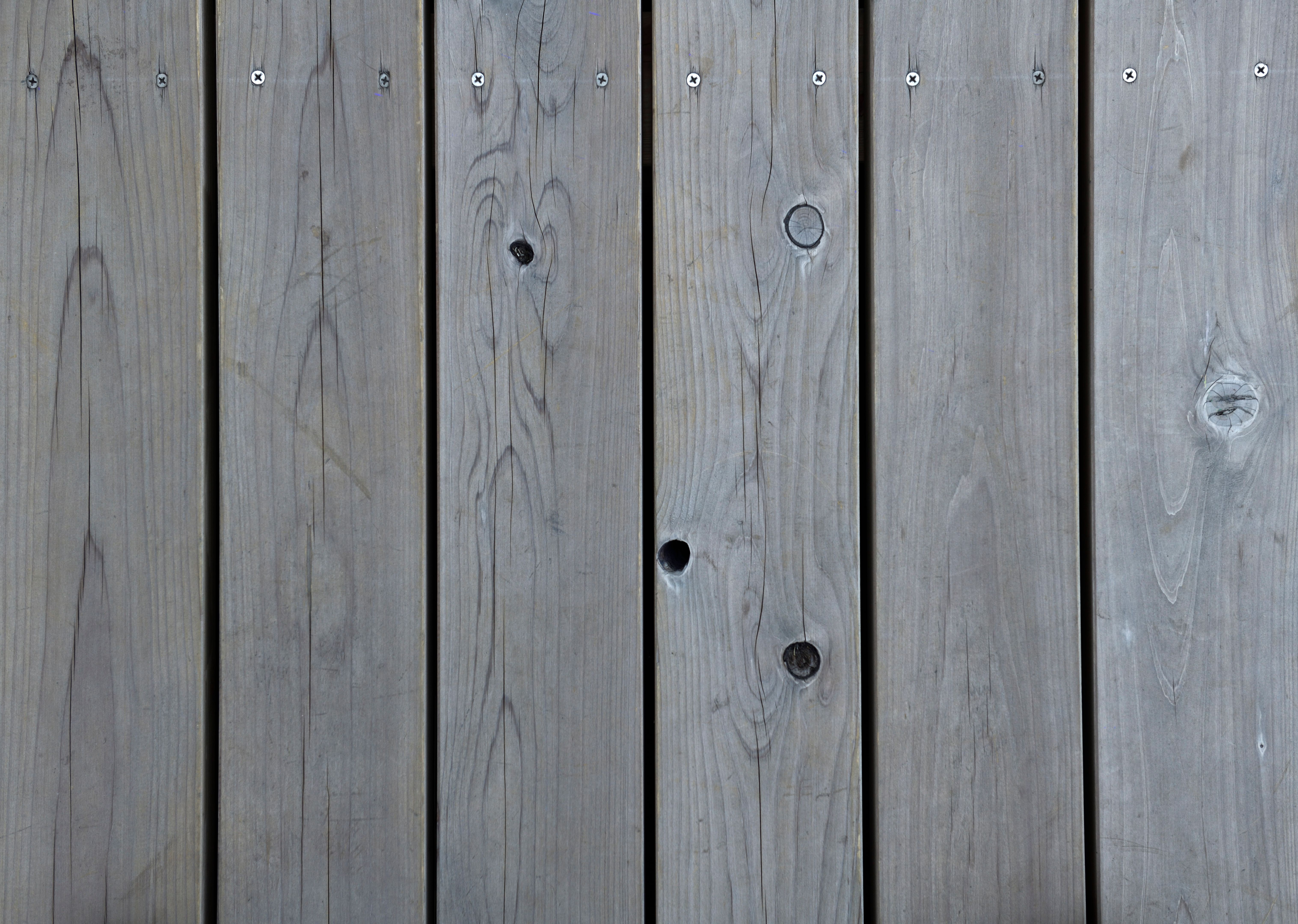
Wood is a popular choice for its aesthetic appeal, but it requires regular maintenance to prevent rot and decay. Alternatively, composite materials and aluminum offer low-maintenance options that can withstand harsh conditions. Weigh the pros and cons of each material to find the best fit for your needs.
Ensuring Proper Installation
Even with the best materials, improper installation can lead to structural failures. One common mistake is neglecting to anchor the dock securely. The dock must be able to withstand waves, currents, and changing water levels. Use appropriate anchoring systems and consult with experts if necessary.
Additionally, it’s important to level the dock correctly during installation. An uneven dock not only looks unprofessional but can also pose safety risks. Regularly check alignment and stability as you build to ensure everything is securely in place.
Maintenance and Longevity
Once your dock is installed, ongoing maintenance is key to ensuring its longevity. Regular inspections can help identify issues early, such as loose boards or corroded fasteners. Establish a maintenance routine that includes cleaning, sealing, and repairing as needed.
In areas prone to severe weather, consider seasonal adjustments or additional reinforcements to protect your dock. Proactive care will save you time and money in the long run, keeping your dock safe and functional for years to come.
Seeking Professional Guidance
If you’re unsure about any aspect of dock installation, seeking professional advice can be invaluable. Experienced contractors can provide insights that might not be obvious to the novice builder, helping to avoid costly mistakes.
Professionals can also offer custom solutions tailored to your specific needs and conditions. Investing in expert guidance can significantly enhance the quality and safety of your dock installation.