Eco-Friendly Docks in Canada: Current Trends and Innovations


Introduction to Eco-Friendly Docks
Canada, known for its stunning natural landscapes and vast waterways, is increasingly embracing eco-friendly docks. These structures are designed to minimize environmental impact, promote sustainability, and preserve the country's pristine aquatic ecosystems. As environmental awareness grows, so does the demand for innovations in dock design and construction.

Materials and Construction
One of the most significant trends in eco-friendly dock construction is the use of sustainable materials. Traditional wood, often treated with chemicals, is being replaced by more sustainable options such as recycled composites and untreated hardwoods sourced from sustainable forests. These materials are not only durable but also reduce the carbon footprint associated with dock construction.
Moreover, construction techniques are evolving to minimize disruption to aquatic life. Floating docks, for example, allow for seasonal adjustments and reduce the need for permanent structures that can alter natural water flow and habitat.
Innovative Design Features
Innovative design features are a hallmark of eco-friendly docks. Incorporating design elements like permeable decking allows water and light to pass through, reducing the shadow effect on aquatic plants and organisms. This design not only supports biodiversity but also enhances the aesthetic appeal of the docks.

Renewable Energy Integration
Another exciting trend is the integration of renewable energy sources into dock systems. Solar panels and small wind turbines are becoming common additions, providing power for lighting and other needs without relying on the grid. This independence from conventional energy sources represents a significant step towards achieving carbon neutrality.
In addition, energy-efficient lighting solutions using LEDs and automatic lighting systems reduce energy consumption, further contributing to the sustainability of these structures.
Community and Environmental Impact
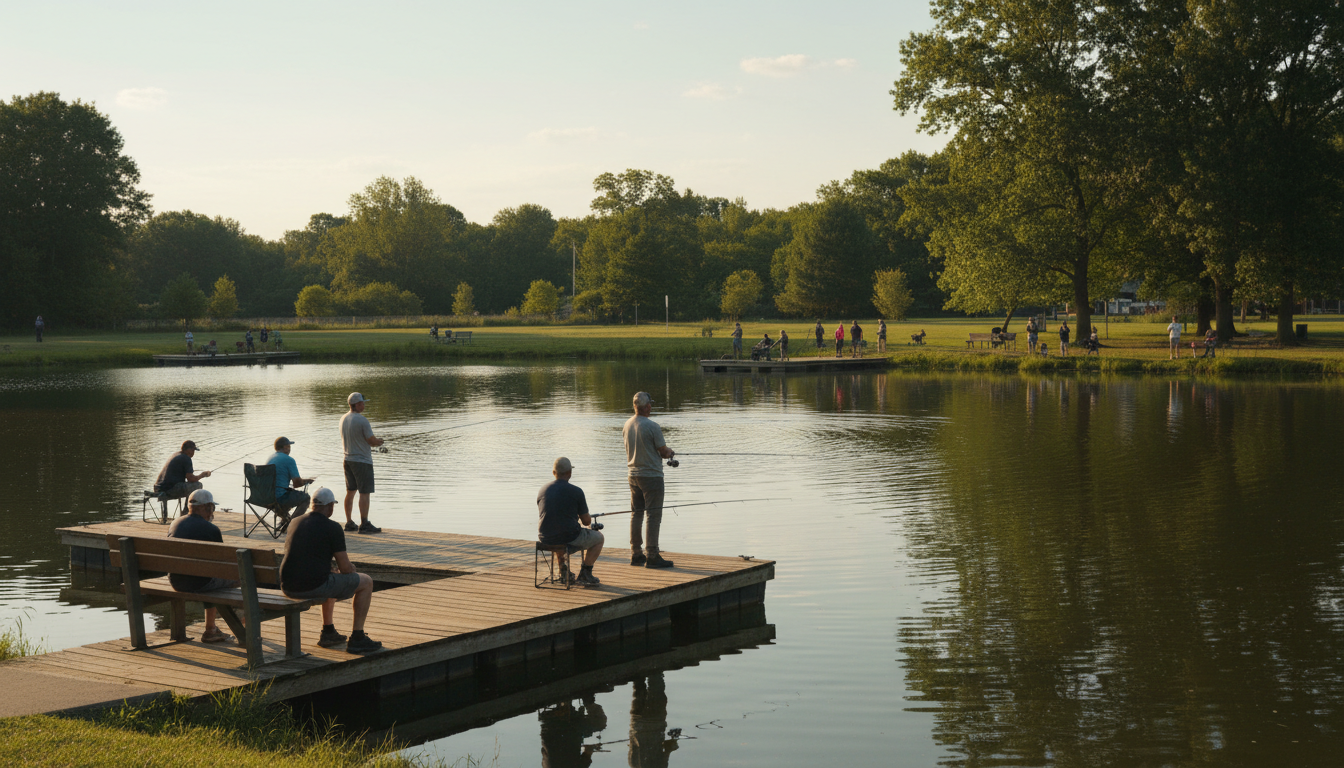
Eco-friendly docks offer numerous benefits to communities and the environment. By preserving natural habitats and reducing pollution, they help maintain biodiversity in Canadian waterways. Communities benefit from healthier ecosystems, which can enhance recreational opportunities and bolster local economies through tourism.
Government and Policy Support
Government policies and incentives are playing a crucial role in promoting the adoption of eco-friendly docks. Grants and subsidies for sustainable construction practices encourage developers and homeowners to invest in environmentally friendly solutions, aligning with national goals for sustainability and conservation.
These policies not only support innovation but also create a framework for industry standards, ensuring that eco-friendly practices become the norm rather than the exception.
Future Prospects and Challenges
Despite the advances in eco-friendly dock design and construction, challenges remain. Balancing cost with sustainability can be difficult, and there is a need for ongoing research to develop even better materials and techniques. However, the future looks promising, with continuous innovations paving the way for more sustainable waterway management.
As awareness and demand for eco-friendly solutions grow, Canada is poised to become a leader in sustainable dock construction, setting an example for the rest of the world.