DIY Dock Removal: What You Need to Know Before Getting Started


Understanding the Basics of DIY Dock Removal
Removing a dock can seem like a daunting task, especially if you're doing it yourself for the first time. However, with the right preparation and understanding, it can be a manageable project. Before you begin, it's crucial to familiarize yourself with the type of dock you have and the specific requirements for its removal.
There are generally two main types of docks: floating and stationary. Each has its own removal process and challenges. Make sure to assess the condition of your dock and whether it's safe and practical for a DIY approach.
Gathering the Necessary Tools and Equipment
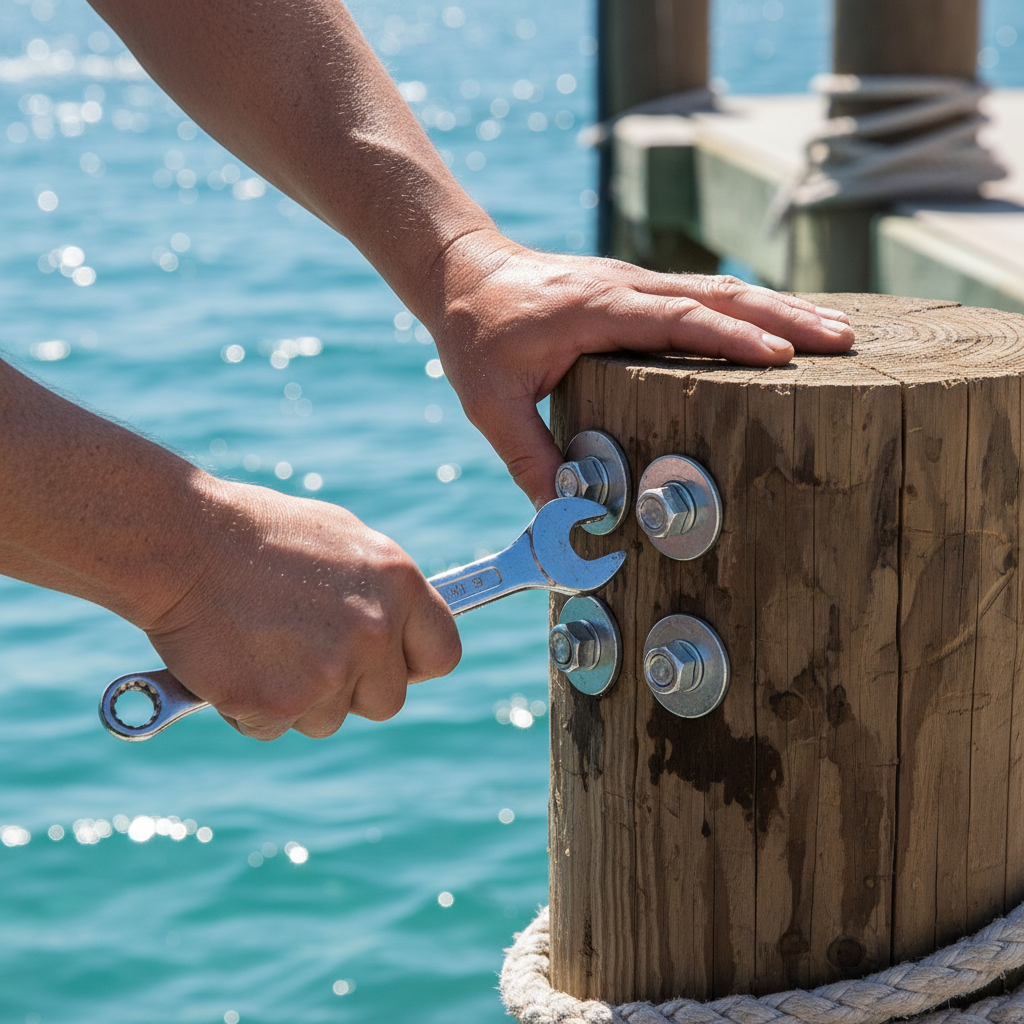
Having the right tools and equipment is essential for efficiently removing a dock. Some basic tools you might need include a wrench, hammer, and screwdriver. For larger projects, additional equipment such as a winch or crane might be required.
It's also important to ensure your safety during the removal process. Wear proper protective gear, such as gloves and safety goggles, and make sure you have a first aid kit on hand.
Step-by-Step Guide to Dock Removal
Once you're ready to start the removal process, follow these general steps to ensure a smooth operation:
- Disconnect Utilities: Make sure all electrical and water lines are disconnected before removing the dock.
- Remove Accessories: Take off any accessories such as ladders, railings, or benches.
- Disassemble the Dock: Depending on the type of dock, either float it to shore or disassemble it piece by piece.

Handling Environmental and Legal Considerations
Before beginning your DIY dock removal, it's important to be aware of any environmental regulations and legal requirements. Contact your local authorities to find out if you need a permit for dock removal. Additionally, consider the environmental impact of your project and take steps to minimize any potential harm to the surrounding ecosystem.
Removing a dock can sometimes disturb the aquatic environment, so plan to execute the removal in a way that protects local wildlife and water quality.
Disposing of Dock Materials Responsibly
After the dock has been removed, proper disposal of the materials is a critical step. Many dock materials can be recycled, so check with local recycling centers for options. If materials are not recyclable, ensure they are disposed of according to local regulations.

Consider donating usable parts to community organizations or individuals who might benefit from them. Responsible disposal not only helps the environment but also keeps your community clean and safe.
Conclusion: Planning for Future Projects
Successfully removing a dock yourself can be a rewarding experience, providing you with valuable skills and confidence for future DIY projects. Take the time to reflect on the process and note any challenges or lessons learned for next time.
Whether you're planning to install a new dock or leave the area open, careful planning and consideration are key to a successful project. With the right preparation, your DIY dock removal can be a smooth and fulfilling endeavor.