Common Misconceptions About Dock Removal: What You Need to Know


Understanding Dock Removal
Dock removal might seem straightforward, but several misconceptions can lead to confusion and unexpected challenges. Whether you're a seasoned waterfront property owner or new to the concept, it’s essential to understand the intricacies involved in the process.
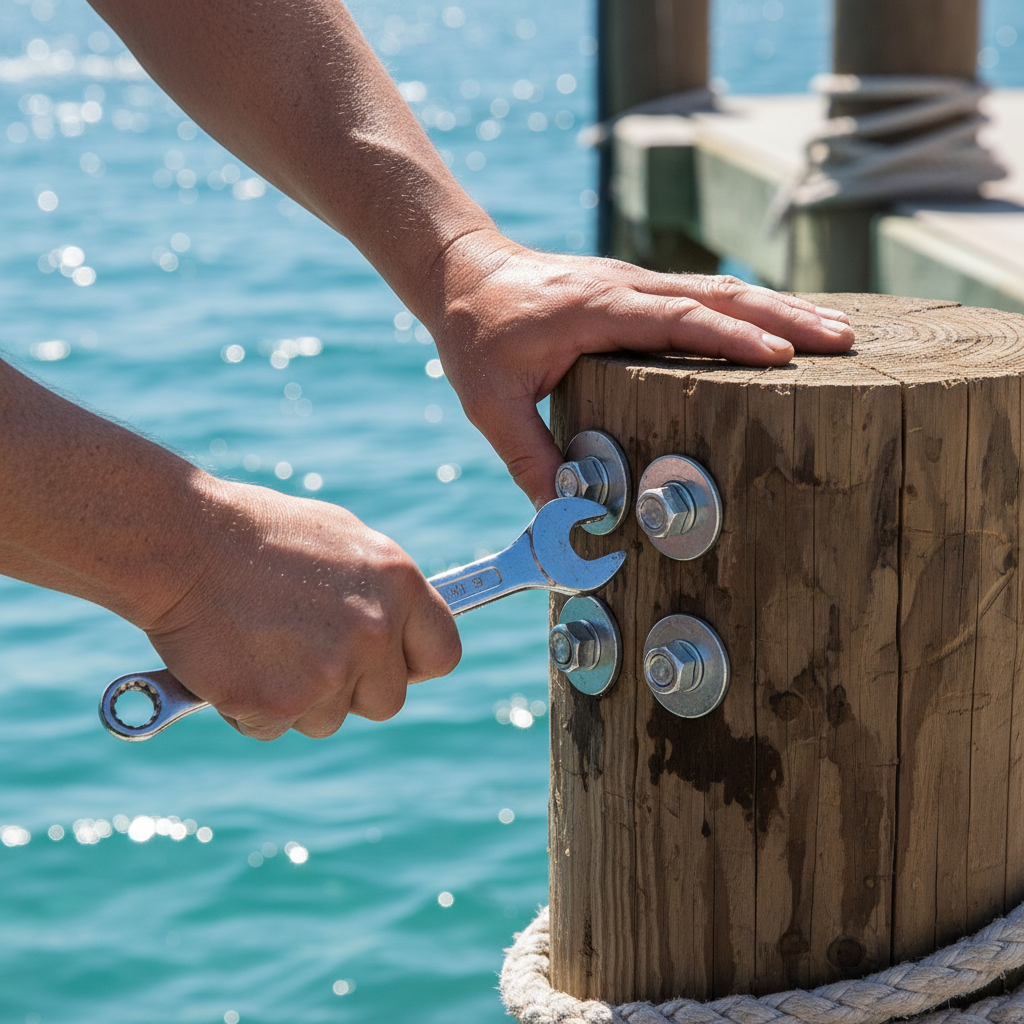
Misconception 1: Dock Removal is Always Easy
One common misunderstanding is that dock removal is a simple task. In reality, the complexity can vary greatly depending on the type of dock, its size, and the environmental factors involved. Permanent docks, for example, require more effort and expertise compared to floating docks.
It’s crucial to assess the specific characteristics of your dock before planning its removal. Hiring professionals who understand the structural and environmental considerations can save you time and prevent potential damage.
Misconception 2: DIY Dock Removal is Cost-Effective
While attempting a do-it-yourself dock removal might seem like a way to save money, it can actually lead to higher costs if things go wrong. Without the proper tools and knowledge, you could damage the dock components or harm the surrounding environment.

Hiring experienced professionals ensures the job is done correctly and safely. They have the right equipment and expertise to handle the task efficiently, which can ultimately be more economical.
Misconception 3: All Docks Require the Same Removal Process
Another misconception is that all docks are removed the same way. In reality, the process can differ significantly based on factors such as material, attachment style, and local regulations. For instance, wooden docks may need different handling compared to aluminum ones.
Understanding these nuances is key to a successful removal. Consulting with experts who can tailor the approach to your specific dock type and location is highly beneficial.

Environmental Considerations in Dock Removal
Many people overlook the environmental impact of dock removal. It’s crucial to consider the potential effects on local wildlife and aquatic ecosystems. Improper removal can lead to habitat disruption and pollution.
Working with professionals who prioritize eco-friendly practices ensures that your dock is removed with minimal environmental impact. They can also help with obtaining necessary permits and adhering to local environmental regulations.
Conclusion: Making Informed Decisions
Understanding the common misconceptions about dock removal can help you make informed decisions. By recognizing the complexities and seeking professional help, you can ensure a smooth and efficient removal process. Remember, the goal is not only to remove the dock but also to do so responsibly and sustainably.